
logo organized
by pjait
Tickets
Tickets

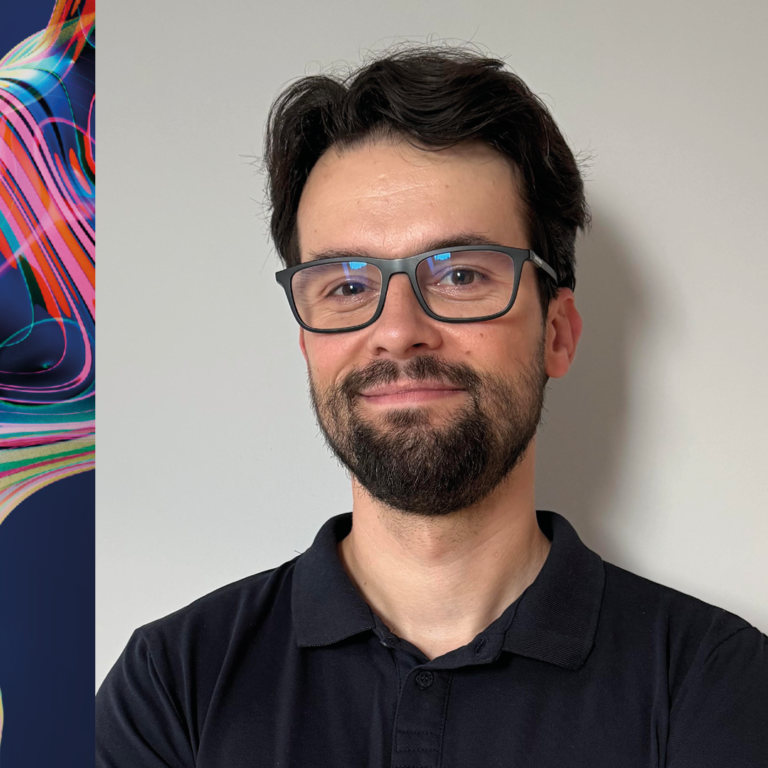
Michał Rawski

Engineering Manager at BLIK, where he is responsible for software development standards, SDLC governance, vendor relations, and the development and scaling of the engineering team as the organization grows. He combines team leadership with the role of technical advisor, working closely with architects, product managers, and the broader business.

He has been involved in the IT industry for over a decade. Before he began leading teams, he built systems himself for a wide variety of sectors: public administration, tax compliance auditing, and the hospitality and tourism industry. He spent the longest time in the insurance industry, where, as a Technical Lead and Team Leader, he managed projects from the MVP stage through to production deployment. Today, in fintech, he draws on this diverse experience every day.

An enthusiast of AI solutions in engineering practice. On a daily basis, he tests AI-based tools, verifies their real-world usefulness, and implements them in the software delivery process—from coding assistants and code review support to the automation of repetitive delivery stages—with an emphasis on what actually works in production, not just in demos.

A graduate of the Polish-Japanese Academy of Information Technology.

workshops and presentations

  • AI & IMPLEMENTATIONS

    11:10 - 11:50 PANEL

    These days, it takes just a few hours to come up with an idea for using AI. It’s much harder to build a solution that’s secure, scalable, accepted by users, and actually put to use within an organization.

    We will devote this panel to the practical aspects of AI implementation. We will discuss the experiences of companies that have progressed from experiments and proof-of-concepts to production-ready solutions, as well as
    the reasons why many projects never move beyond the pilot phase. It’s not just the successes that matter, but also the mistakes, failed experiments, and lessons learned from
    real-world implementations.

    Topics of discussion include:
     Why does a PoC work, but production deployment doesn’t?
     What mistakes do companies make most often, and what would they not do again today?
     How to identify areas with the greatest potential for AI adoption,
     How to move from individual experiments to AI operating at an organizational scale,
     In-house models, open-source solutions, or off-the-shelf platforms?
     how to prepare data, processes, and infrastructure,
     how to assess the quality and reliability of AI-based solutions,  who should own AI implementations: business, IT, or a dedicated AI team?
     what really determines whether an AI project moves beyond the pilot phase and begins to create value across the entire organization